
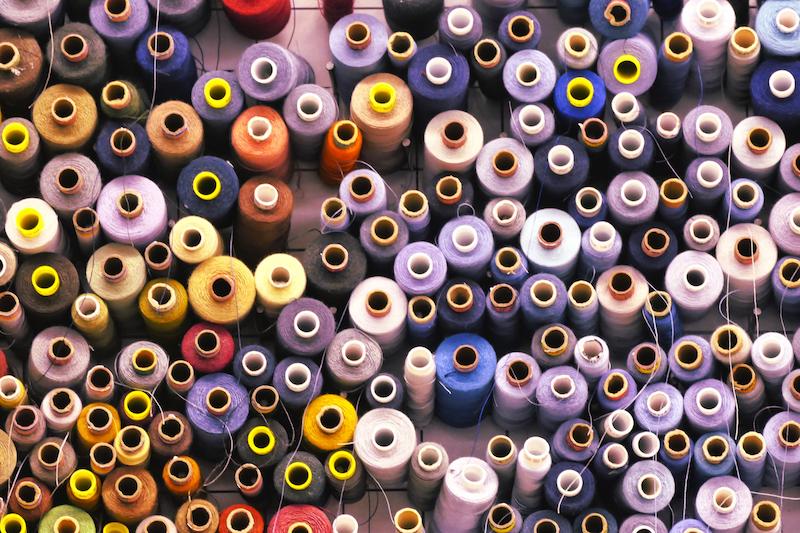
Luxury clothing is more than just premium fabrics, stylish cutting, and sewing. Each little detail has some impact on the finish of the garment, and sewing thread is one of the details that is commonly overlooked. The right thread should not only provide strength and smoothness but also enhance the durability and appearance of the fabric.
When it comes to luxury apparel, thread isn’t just preferential to the strongest. It is a matter of finding a balance between performance, appeal, comfort, and fabric quality.
Why Thread Selection Matters in Luxury Apparel
More upscale fabrics like silk, cashmere, fine wool, satin, velvet, and light fibers can require attention when it comes to sewing under any conditions. Bad combinations may lead to puckering, distortion of the seams, the appearance of stitch marks, damage to the fabric, or even early seam failure.
A good sewing thread should be in harmony with the fabric and machine. It must stay taut across the needle and provide a continuous flow of thread through the needle and make even and even stitches.
Make sure to consider the following when creating luxury apparel:
Fabric weight and construction
Seam strength requirements
Thread thickness and appearance
Abrasion resistance
Color and finish
Washing/care instructions
Sewing-machine performance
Polyester Threads for Versatility and Durability
Polyester threads are frequently used in top-notch garments due to their blend of known sewing capabilities and strength. They tend to be resistant to wearing away and are stable and hold their color well.
Polyester is an effective material for articles of clothing that need to be washed often or worn for the long term. A tiny bit of polyester threads is especially handy in the case of manufacturers who want powerful seams yet don’t desire bulky and visible stitching.
Polyester is also used in various constructions and finishes to enable manufacturers to choose the appropriate thread for a particular fabric and application.
Cotton Threads for a Natural Aesthetic
Cotton thread may be suitable for luxurious clothes where a natural fiber appearance is significant. It provides a soft look and will work especially well with natural-fiber materials such as cotton and linen.
The kind of thread should take the care and maintenance standards of the garment into account, however. Some cotton threads may be less resistant to scuffing and repeated washing than the synthetic threads.
With a high-quality garment, the goal is to choose a cotton thread that offers a good quality construction and sufficient strength for the desired seam.
Silk Threads for Delicate and High-End Fabrics
For this reason, silk thread is traditionally associated with luxurious tailoring that uses fine materials, as it feels smooth, looks fine, and can be used as a thread for delicate materials.
It might be especially appropriate for lightweight fabrics such as silk, couture preparing, embroidery, and hand finishing applications. It has a fine profile that can help reduce the visibility of stitching.
Use caution with silk thread; it has characteristics that differ from polyester and other synthetic threads. Each size of thread and type of stitching to the fabric needs to be close to it.
Core-Spun Threads for High-Performance Luxury Garments
Core spun thread is one that uses a strong filament or staple fiber core covered with a fiber exterior. This kind of construction can be beneficial in balancing strength and appearance.
Core-spun threads (like polyester corespun thread) can be used to provide core-spun yarns to premium apparel manufacturers that can provide:
High seam strength
Consistent stitch formation
Good abrasion resistance
Attractive seam appearance
Reliable machine performance
These can be especially effective when luxury design is required to meet challenging performance criteria.
Matching Thread to Fabric
It is best to use the same thread for the cloth’s backing as for the pattern.
A fine, smooth thread is useful on delicate silk and satin fabrics for minimizing seam appearance and damage to the fabric.
A polyester or appropriate core-spun thread may be used to give line strength and ensure a clean look in fine wool/tailored articles.
When sewing cashmere or other soft textiles, the thread must be thin and pliable to prevent adding stiffness at the junctions.
For linen or high-quality cotton textiles, the cotton or polyester threads may be chosen based on the desired look, durability, and care requirements.
For protective wear and uniforms, fire-resistant threads like meta-aramid sewing thread are useful.
Thread Size and Color Matter
When it comes to luxury garments, it’s a must to pay meticulous attention to the details, even the minute ones. The thickness of the threading must be suitable to the fabric and type of stitch. Too fine a thread will decrease seam effectiveness, and too thick of a thread will appear bulky.
Color matching is another key aspect. The thread should fit into the fabric very well or be selected to be incorporated into a design element. The quality of the dyes and colorfastness are especially significant features for clothing that will be washed more than once.
Testing Before Production
Manufacturers should perform full-scale production tests on the selected thread before entering into full production. Evaluations should cover both the formation of the stitch and the seam and how well it holds, matching the needle, whether the wool is abrasion resistant, and whether it will hold after washing.
This testing will prevent the occurrence of quality issues in the finished products and minimize the possibilities of rework or rejection.
Final Thoughts
Sewing thread is fundamental when it comes to precision in luxury apparel, and precision cannot be overlooked at any point. This does not mean that the most expensive or strongest thread is always the best choice: it depends on the performance and aesthetic needs of the garment as well as the suitability of the material for the thread.